Explore our global initiatives and its impact on communities.
Twajale Wajane
Let’s take care of the widows.
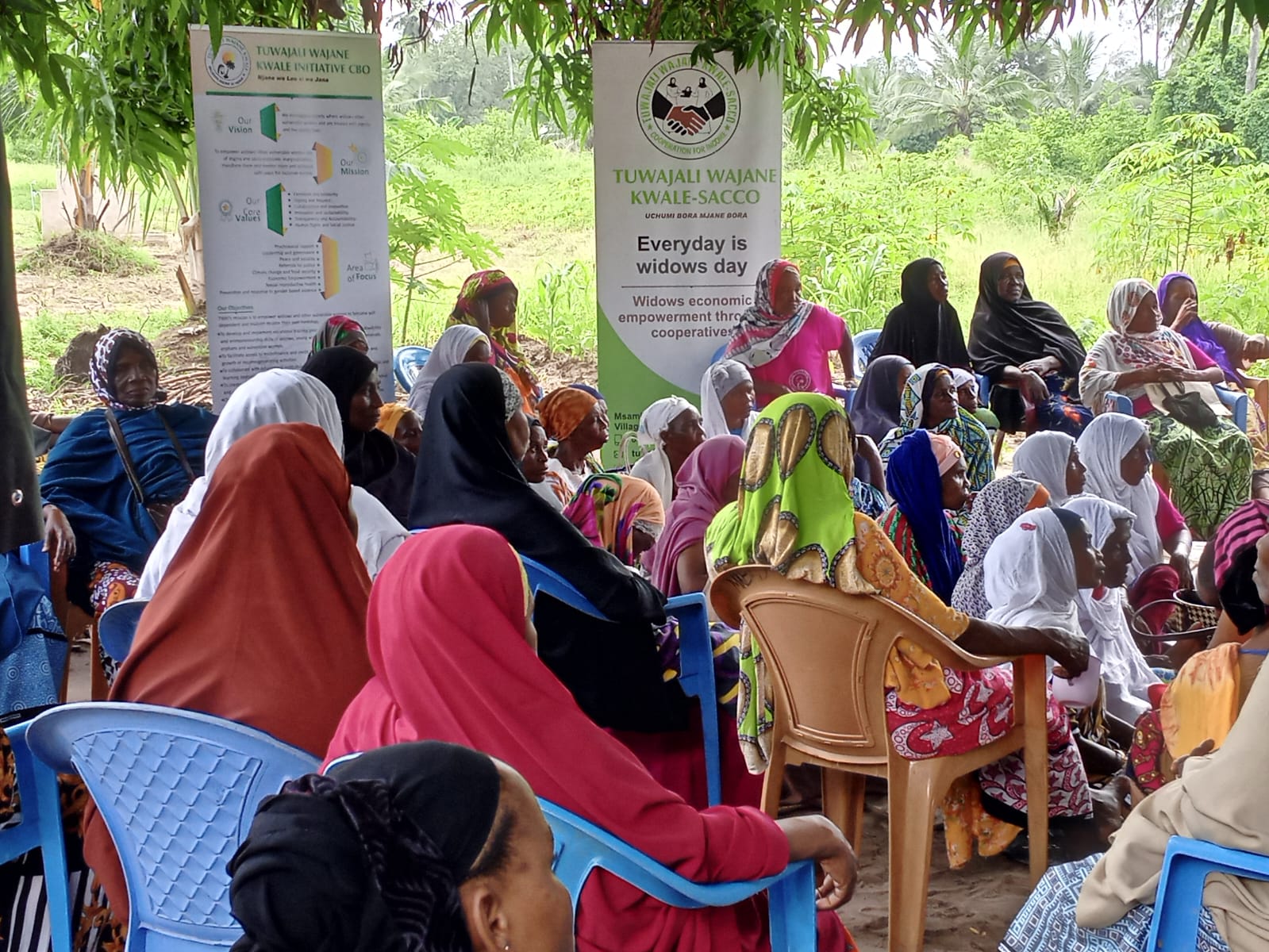
Along the sun-kissed coastline of Kenya, in the heart of Kwale County, rises a story of courage, compassion, and transformation. It begins with Mwanasha Gaserego, a young woman who refused to look away from the silent suffering around her. She witnessed widows—Muslim women—and their children pushed to the margins, carrying the heavy burdens of stigma, loss, and socio-economic hardship. Instead of accepting this reality, she chose to become a beacon of light, illuminating injustices and sparking change where it was needed most. Driven by a powerful vision of dignity and empowerment, Mwanasha founded Tuwajali Wajane—a name that, in Swahili means “let’s take care of the widows.” More than an organization, it became a movement rooted in community dialogue, collective action, and innovative solutions designed to restore hope and transform lives. In 2021, destiny opened a new door. During a seven-day Training of Trainers program with the Ubuntu Leaders Academy in Mombasa, Mwanasha crossed paths with Monica Rocha e Melo. Their connection—grounded in shared values and a belief in human potential—led Monica to introduce her to the Ruben Fernandes Association. From this meeting of minds and missions, a powerful partnership was born, united in purpose: to uplift, empower, and support a community of 800 widows seeking stability, strength, and opportunity. Their collaboration began modestly—with a simple merry-go-round savings group, a traditional form of micro-credit rooted in trust and solidarity. Under Mwanashe’s leadership it evolved into a fully established Savings and Credit Cooperative Organization (SACCO), opening the door to larger loans, greater financial independence, and renewed confidence for its members. The partnership blossomed further. Kitchen gardens sprang to life, offering families fresh produce, strengthening nutrition, and building food security one harvest at a time. And soon, an even greater milestone emerged: the creation of a community resource center—a vibrant hub of knowledge, skills, and opportunity. Here, community members can access information, learning materials, and training programs that ignite personal and professional growth.Together, these initiatives are doing more than improving livelihoods—they are reshaping futures. They are instilling pride, nurturing resilience, and empowering widows and their families to reclaim their voices and their dreams. Today, the partnership stands as a shining example of what happens when compassion meets action, when communities unite, and when women—long overlooked—are given the tools to rise. The result is a more resilient, confident, and self-sustaining society, built on the belief that every life deserves dignity, opportunity, and hope. Learn more →
Indirect Impact≈5000 people
Ubuntu Community school
Supporting Education in South Sudan
South Sudan is currently the world’s poorest nation, emerging from a recent and devastating civil war. The conflict left deep scars on its people, especially children. Serious violations of children’s rights have been documented, including lack of access to food and healthcare, recruitment into armed groups, physical harm, school dropouts, and extreme poverty. Today, more than two million children—over 70%—are out of school, placing not only their futures but the country’s future at grave risk.
Many out-of-school children live in pastoral communities, caring for livestock and unable to attend regular classes. Among these children, girls are the most affected, facing barriers such as poverty, child marriage, and cultural and religious norms that restrict their education. Lack of infrastructure, limited teaching staff, and insufficient learning materials—combined with the disruption of war—mean that many children never enter primary school. Families with scarce resources often invest in boys’ education over girls’.Older girls may leave school to marry, face long and unsafe journeys to attend classes, or be kept at home due to fears of pregnancy, which can reduce their bride price.
Amid these challenges, Bosco Boro James, founder of the community-based organization Youth Hands for Development and an alumnus of the Ubuntu Leaders Academy, took a bold step. In September 2023, he launched an education initiative targeting young learners aged 3–12 years, aiming to provide a safe, inclusive, and empowering space for children who had previously been left behind.
With the support of the Ruben Fernandes Association, the Dona Ajuda Association, and a dedicated group of Portuguese professionals, Bosco and his team built and equipped six classrooms. The school is powered by solar panels and plans to offer evening classes for adult learners, evolving into a skills development hub for teenagers and young people. The school installed a rainwater collection system in two 3,500-litre barrels to supply the future toilets, with the assistance of medical professionals from Portugal.
To support sustainability and generate income, the school established a school uniform business. Parents pay affordable tuition fees, and all students receive a daily nutritious meal, with vegetables supplied by an Ubuntu farm, created as a training ground for agribusiness learners.
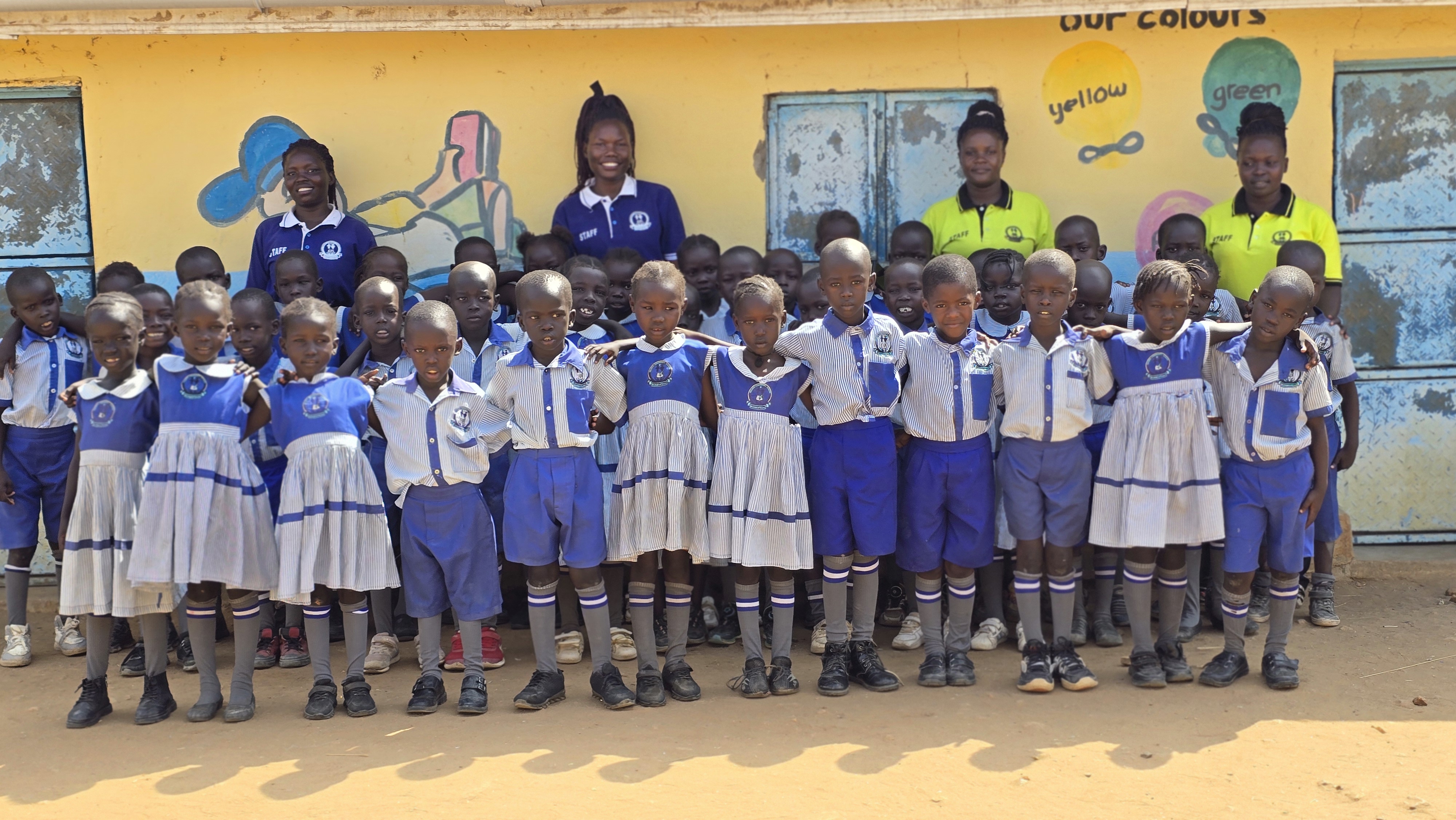
The Ubuntu Community School has blossomed into a diverse, inclusive, and vibrant learning center, offering quality education in the heart of Gudele West Block 6. Today, the school provides access to education for 300 vulnerable children who had previously been excluded. The seven-member teaching team lives by the philosophy of Ubuntu—“I am because you are”—and firmly believes that education is the most powerful weapon we can use to change the world.
Learn more →
Indirect Impact≈1000 people
Padaria Spezial
Training opportunities for special students
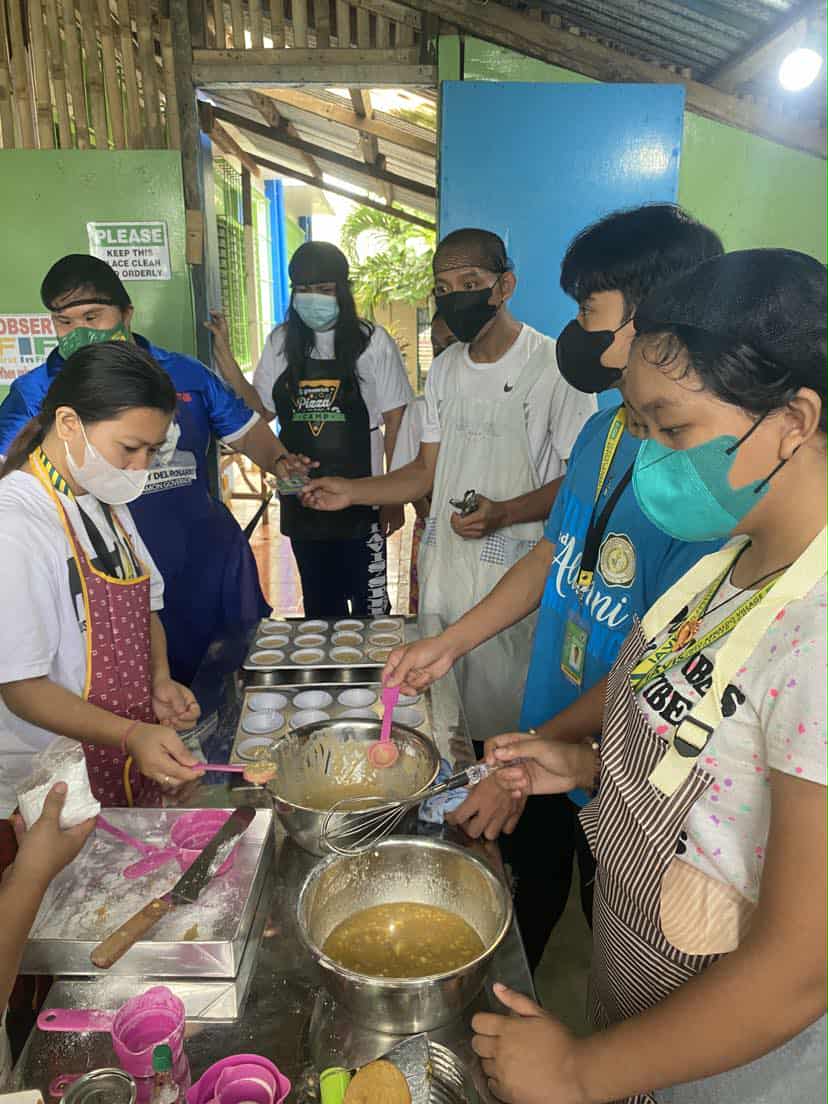
The Ruben Fernandes Association, in partnership with the management of Punta Cogon Primary School in Roxas City, launched a transformative initiative to support students with special needs at the Inzo Arnaldo School. This department serves children who are visually impaired, deaf, or have cognitive challenges. Under the guidance of School Director Mr. Tomas Hupeda, the Association worked closely with teachers to establish a self-sustaining bakery, fully operated by deaf and cognitively challenged students. This project equips students with practical vocational skills, fosters independence, and creates opportunities for long-term economic empowerment, turning education into tangible, life-changing outcomes. Visually impaired students were provided with a fully equipped classroom, featuring Braille computers and one printer, enabling them to learn and work with the latest assistive technologies. This was made possible through the partnership between the Ruben Fernandes Association, the Portuguese School of Macau, and Ms. Susana Canarias in Macau, China. Today, this vocational department serves all special needs students across the Capiz region, offering access to education, skills development, and opportunities that were previously out of reach.
Indirect Impact≈350 people
Innovative hydroponics
Self-sustaining hydroponics green-house business
Super Typhoon Haiyan was one of the most powerful and devastating tropical cyclones in modern history. It struck the Philippines on November 8, 2013, as a Category 5 typhoon, with extreme winds and a massive storm surge that destroyed entire coastal communities. The aftermath was profound and long-lasting, causing severe damage to agriculture, fisheries, and infrastructure, and leaving thousands of families without stable livelihoods. Recovery and reconstruction required a lengthy and complex process. In 2017, the Ruben Fernandes Association launched an intervention in Roxas City, located in the Western Visayas region, specifically within the Punta Cogon community, an area heavily affected by poverty and food insecurity. In partnership with the local primary school principal, Ms. Pia Bengan Lee, a hydroponic greenhouse was established to grow lettuce for sale in the local market at a fair price. All revenue generated was fully reinvested in the community, ensuring a daily breakfast for 40 vulnerable children. The project was managed for seven years by Ms. Phetrie Oliva, a resident of Punta Cogon, fostering not only food security but also economic empowerment, community engagement, and long-term sustainability. Ms Susana Canarias, from Macau, contributed greatly to this project. Learn more →
Indirect Impact≈175 people
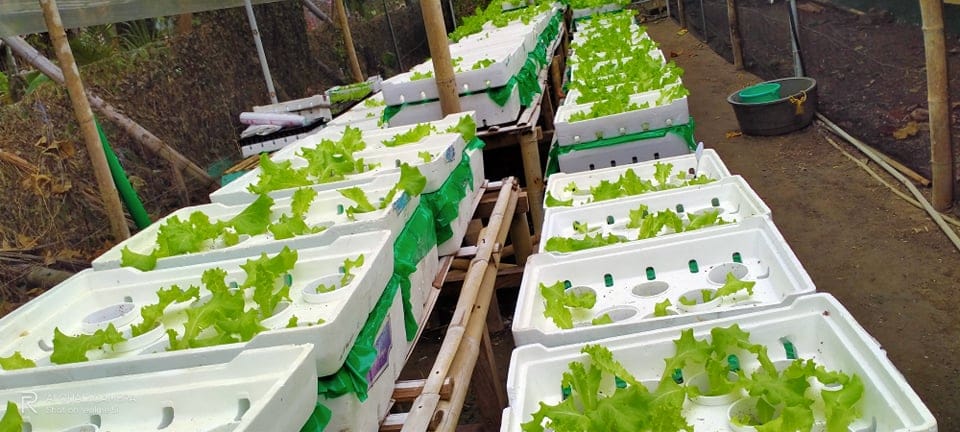
The Azola Plant Project
Employment creation and farmer empowerment
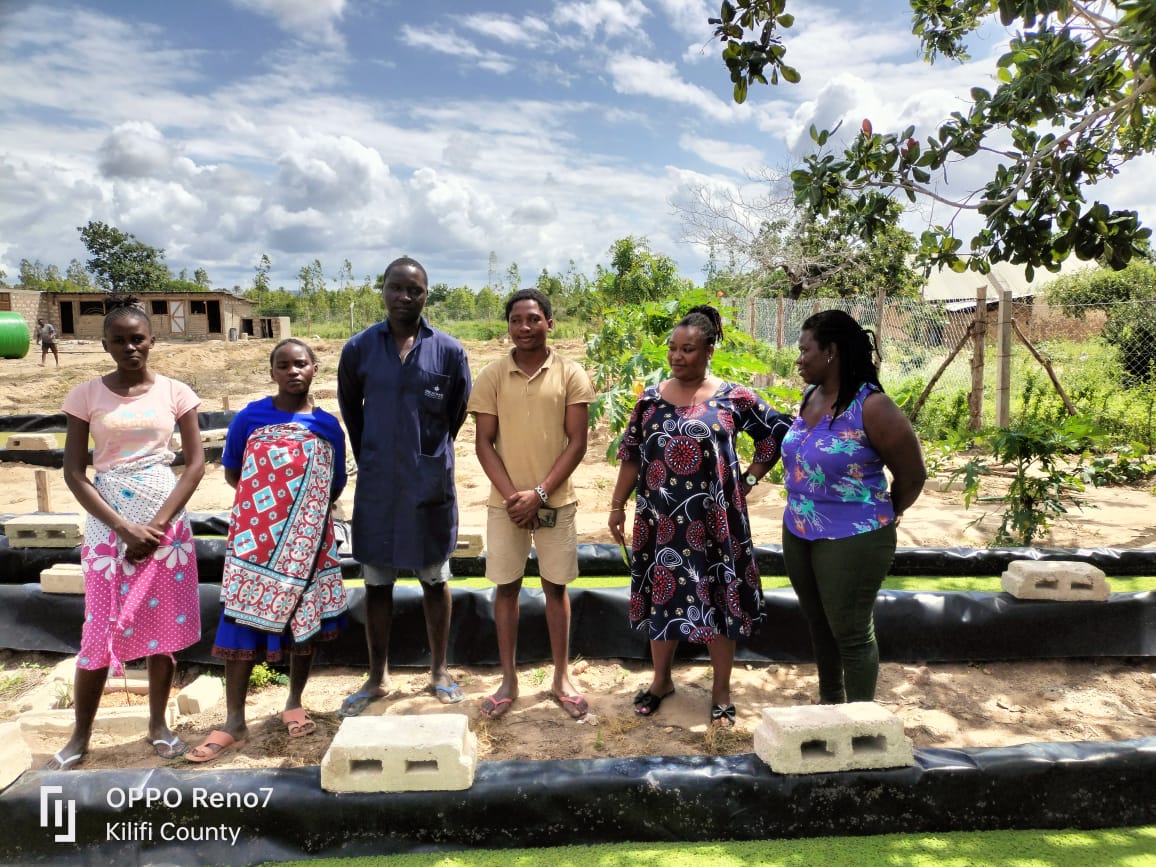
In the heart of Kilifi County, a story of entrepreneurial courage and profound community commitment is unfolding.Victor Mwamuye Nyamawi, decided that his path would not be defined by waiting for an opportunity—but by creating one. Inspired by the values of Ubuntu servant leadership, Victor chose to abandon the search for a job and instead build his own future, while simultaneously creating new possibilities for the community that raised him. In 2021, he brought his vision to life and founded the social enterprise Dream Doers Investments Ltd. The catalyst for change came when he discovered the enormous potential of a small aquatic plant: azolla. With an ultra-fast growth cycle—it matures in just three days—it is a nutritious, sustainable, and highly efficient solution for feeding animals, especially in regions facing severe drought. With courage and an innovative spirit, Victor decided to take the risk and established a small animal-feed production unit based on azolla, offering the region an accessible, resilient alternative adapted to the area’s climatic challenges. Thanks to this initiative, it has become possible to strengthen poultry, fish farming, and livestock activities, promoting economic autonomy and sustainability for rural families. Today, under his inspiring leadership, around 150 farmers and their families already benefit from an additional source of income. The model is simple yet transformative: Victor distributes azolla seeds, supports the creation of small water tanks for its cultivation, and purchases the final production — generating a virtuous cycle that boosts the local economy. Victor’s story is living proof that when leadership is guided by purpose, courage, and vision, a single dream can transform lives . Learn more →
Indirect Impact≈900 people
Alessandra Technical and Vocational Institute
Training programs to enhance skills and employability.
Simon Ogwang is a 35-year-old social entrepreneur from Northern Uganda, a region deeply affected by more than 24 years of armed conflict. Like many families, Simon grew up in Internally Displaced Persons (IDP) camps, where access to education, healthcare, and opportunities was extremely limited. In 2002, he was abducted by a rebel group and forced to undergo training as a child soldier. During this period, several of his close family members were killed. Simon managed to escape captivity on February 27, 2004, grateful to have survived without taking another person’s life.
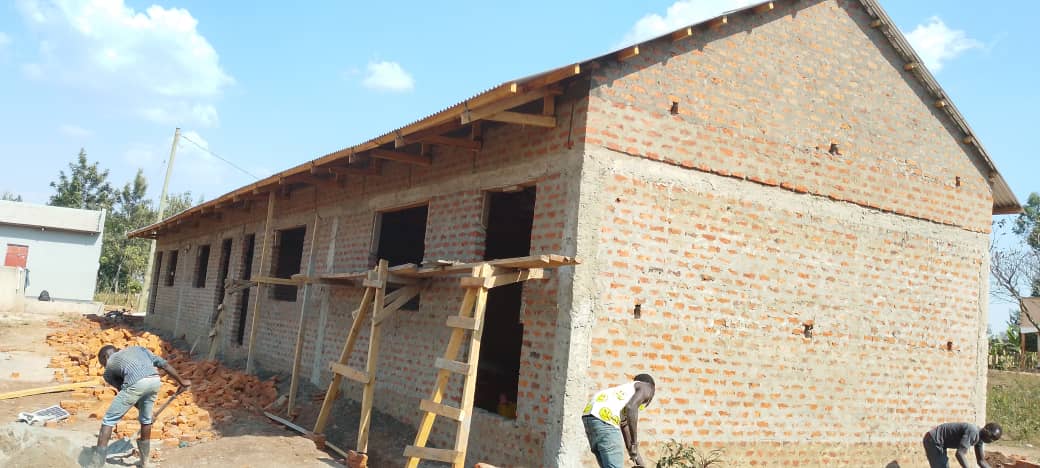
Returning home did not bring immediate relief.Poverty and instability in the resettlement camps pushed many young girls into early marriage and teenage pregnancy as a means of survival. Deeply moved by their suffering, Simon decided to act. In 2010, together with colleagues from medical school, he founded CEFARH – the Centre for Adolescent Reproductive Health Foundation Uganda, an organization dedicated to ending child marriage, reducing teenage pregnancy, and providing free community health services. As CEFARH’s work expanded, Simon and his team realized that many girls were already young mothers, with few opportunities to rebuild their lives. This realization led to the introduction of vocational training programs, empowering vulnerable girls and young women to become self-reliant. Over the years, hundreds of young people have been trained and now run small businesses and support their families. Inspired by this journey, Simon launched a technical and vocational institute as a social enterprise to equip young people with practical, market-oriented skills. The Alessandra Technical and Vocational Institute (ATVI) is a co-educational school offering both day and boarding options, providing hands-on, competency-based vocational training aligned with national education policies. Managed by CEFARH Foundation Uganda, ATVI is an independent, non-partisan institution that welcomes students from all backgrounds. The institute offers courses in:
- Tailoring and Garment Cutting
- Bricklaying and Concrete Practice
- Carpentry and Joinery
- Plumbing
- Electrical Installation
- Motor Vehicle Mechanics
- Driving
Indirect Impact≈1600 people
Chipochashe(Gift From God)
Educational development in rural Zimbabwe
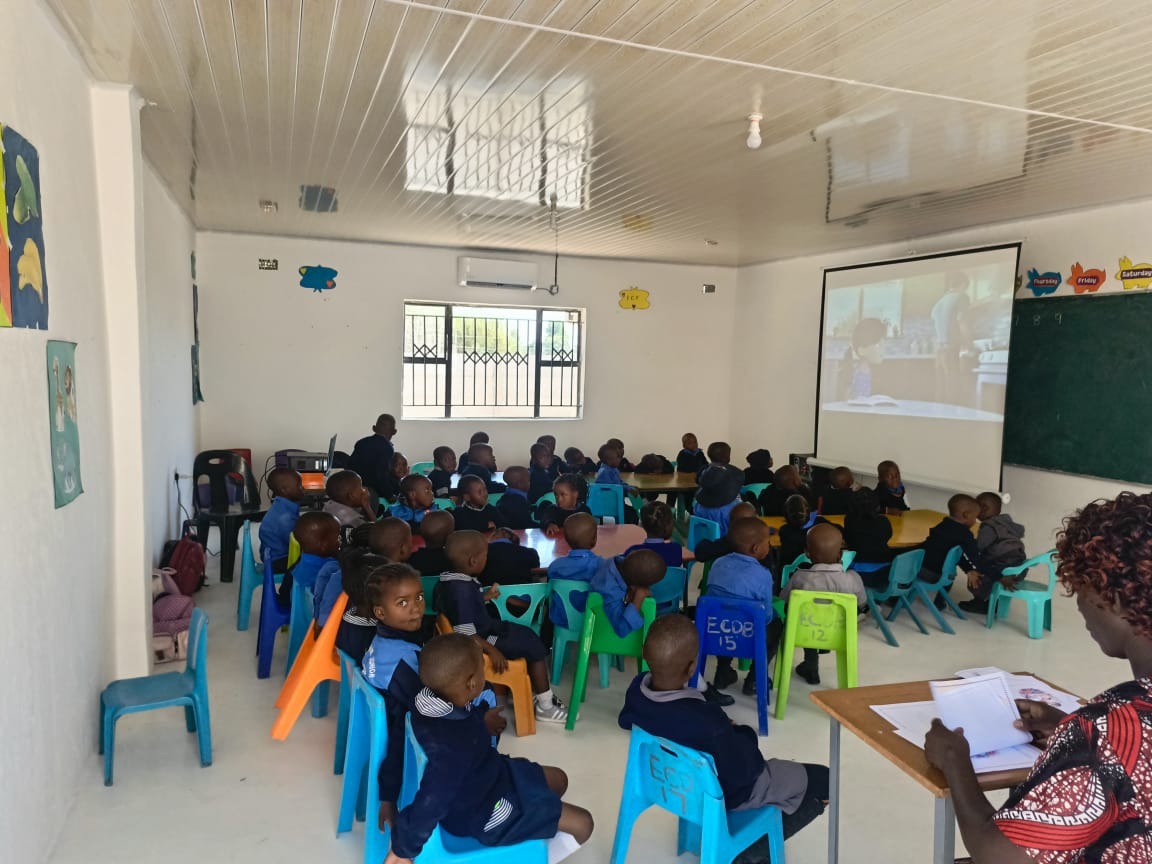
In the rural community of Zhanje, near Zimbabwe’s capital, too many young children are missing out on the life-changing power of early education. Long distances, unaffordable fees, and food insecurity keep families from accessing Early Childhood Development (ECD) at the most critical stage of a child’s life.
Under Moses Machipisa inspirational, firm and effective leadership, a self sustainable ECD centre to nurture both learning and wellbeing of rural children was established. By combining quality early education with daily nutrition and community-led income projects, the ECD gave children a strong start, restored dignity to families, and became a model of hope that was replicated in other marginalized rural communities.
Dema is a rural agricultural growth point near Zimbabwe’s capital, but rapid, unplanned development has left the Zhanje community with limited access to schools, especially Early Childhood Development (ECD) centres. Young children must travel 5–7 km to distant ECDs that charge unaffordable fees, leaving many excluded from early education during the critical first 1,000 days of life. Poverty, food insecurity, climate change, and high levels of child stunting further undermine learning outcomes.
The ECD centre, named Gift from God or Chipochashe in the Shona language, was established in 2020. Since then, it has undergone remarkable development, as evidenced by the following statement:
(2026) Testimony by Moses Machipisa
The story of Chipochashe is a powerful testament to the impact of catalytic support for small, local initiatives in Africa.
We began with just six children learning in a small house, without proper facilities or resources. At that critical moment, the support of the Ruben Fernandes Association provided the foundations—building toilets that restored dignity, a small van that gave us mobility, and textbooks that lifted the quality of education. The RFA also helped us start a small garden and a chicken busines . What seemed like modest steps at the time became the seeds of transformation.
Today, those seeds have flourished into two thriving schools Chipochashe Zhanje and Chipochashe Ditima, serving a total of 500 learners.
From one classroom small house, we now have five blocks, and our staff has grown from three to 30. The provision of textbooks helped us achieve strong results in our very first public examinations, proving that rural children, when given the right resources, can perform on par with any others. The small garden RFA helped us start has expanded into a broader program: a vegetable garden, 200 free-range chickens, rabbits, and close to one hectare of leased farmland that provides food for the schools. This not only improves nutrition but also equips children with practical agricultural skills.
The ripple effects of the Ruben Fernandes Association support, extend far beyond education. With your help, we improved access to clean water—from one point serving 100 households with a 5,000-liter tank to two water points and 3 5,000-liter tanks serving 250 households. Families are healthier, children are learning better, and stunting is being reduced through improved nutrition and sanitation. These are not isolated successes but they are interconnected outcomes that show how one small investment multiplies across sectors, transforming education, health, and livelihoods at the same time.
What makes this story compelling is not just what has happened at Chipochashe, but what it demonstrates about the power of catalytic support in Africa. Small, community-driven organizations like ours often stand closest to the problems but furthest from the resources to address them. Your belief in us changed that equation. By stepping in early, you not only built classrooms and gardens, you gave credibility to our vision, attracted other partners, and set us on a path of sustainable growth.
As the Shona saying goes, “Zvamakatiitira, muitirewo vamwe”-“What you have done for us, may you do for others as well.” Our hope and prayer is that, guided by the spirit of Ubuntu, your work continues to touch countless lives across Portugal and beyond, fostering growth, opportunity, and transformation wherever it reaches. Today, the education project consists of two schools serving a student population of 545 students and 40 educators.
Learn more →
Indirect Impact≈6000 people
Lamu Youth Mentoring in Kenya
Provision of water and eletricty to Widho village
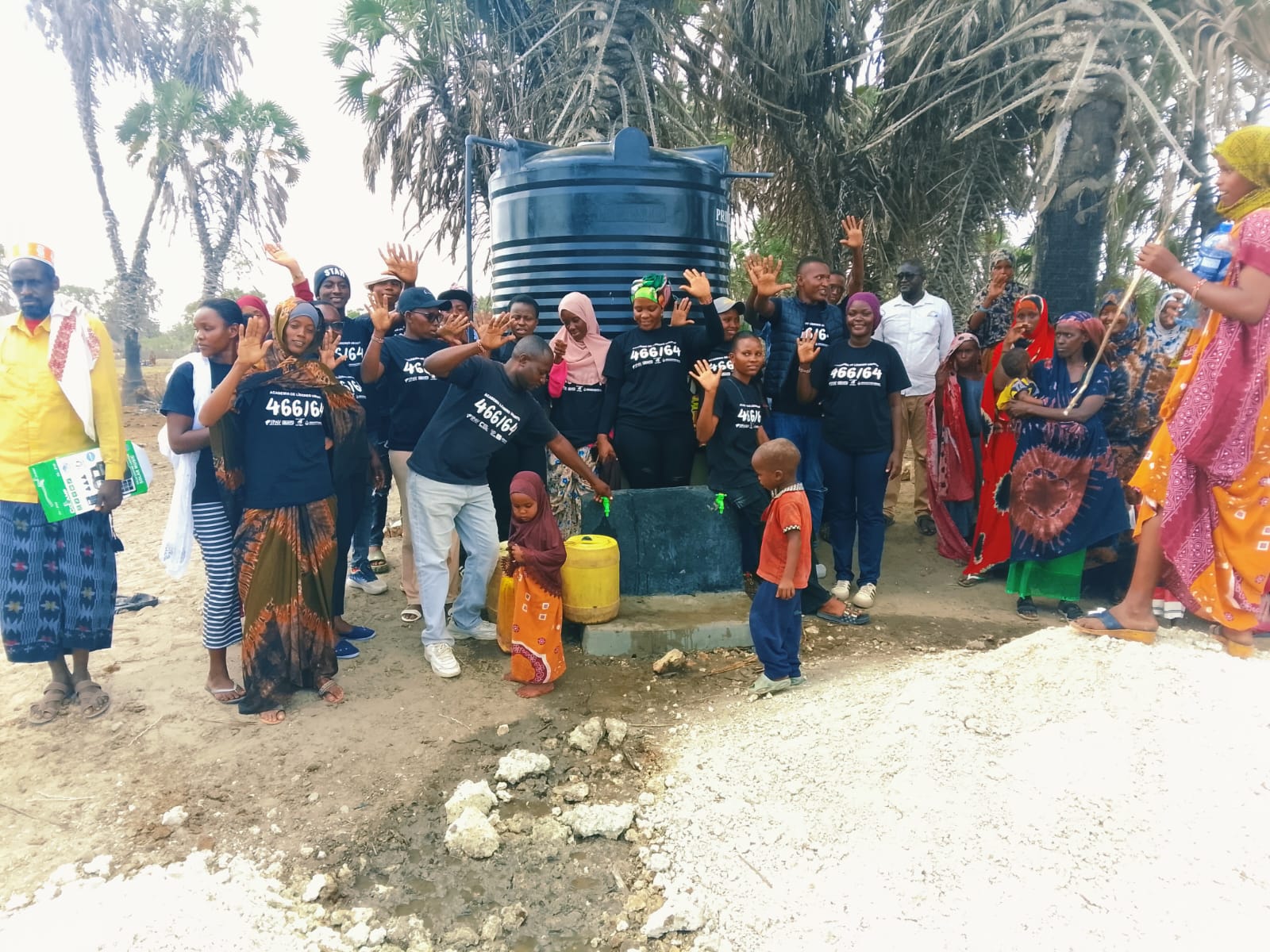
In January 2025, the Ruben Fernandes Association sponsored an IPAV program titled Ubuntu Mentorship Training Program, empowering 36 young people from the poverty-stricken and violence-prone communities of Mkunumbi and Wito in Lamu County, on the coast of Kenya. These communities border the Luh Boni Forest, an area often exploited as a hideout by extremist militias that terrorize local populations, placing youth at high risk of radicalization and recruitment. Through a six-month structured mentorship process, the Association provided guidance, role models, and life-skills support to help participants envision positive life paths for themselves and become agents of change within their communities. A key outcome of the program was a youth-led servant leadership project that fostered collaboration, interreligious dialogue, and solidarity in response to local vulnerabilities. The youth identified the severe water crisis in Widho Village—home to approximately 2,000 people—where families relied on unsafe seasonal streams, shallow wells, and distant water points, often walking over 5 kilometers during the dry season. This scarcity contributed to waterborne diseases, disrupted education, and placed a disproportionate burden on women and children. Through the Lamu Ubuntu Mentorship Program and in partnership with village leadership, the youth mobilized support to construct a sustainable community well equipped with solar-powered lighting. With full funding provided by our partner, Associação Dona Ajuda, construction was successfully completed in November and December 2025, delivering clean water, improved health, enhanced security, and renewed hope, while the community committed to long-term ownership, maintenance, and sustainability of the project. Learn more →
The Story Of NeFCoRD
Transforming lives through sports
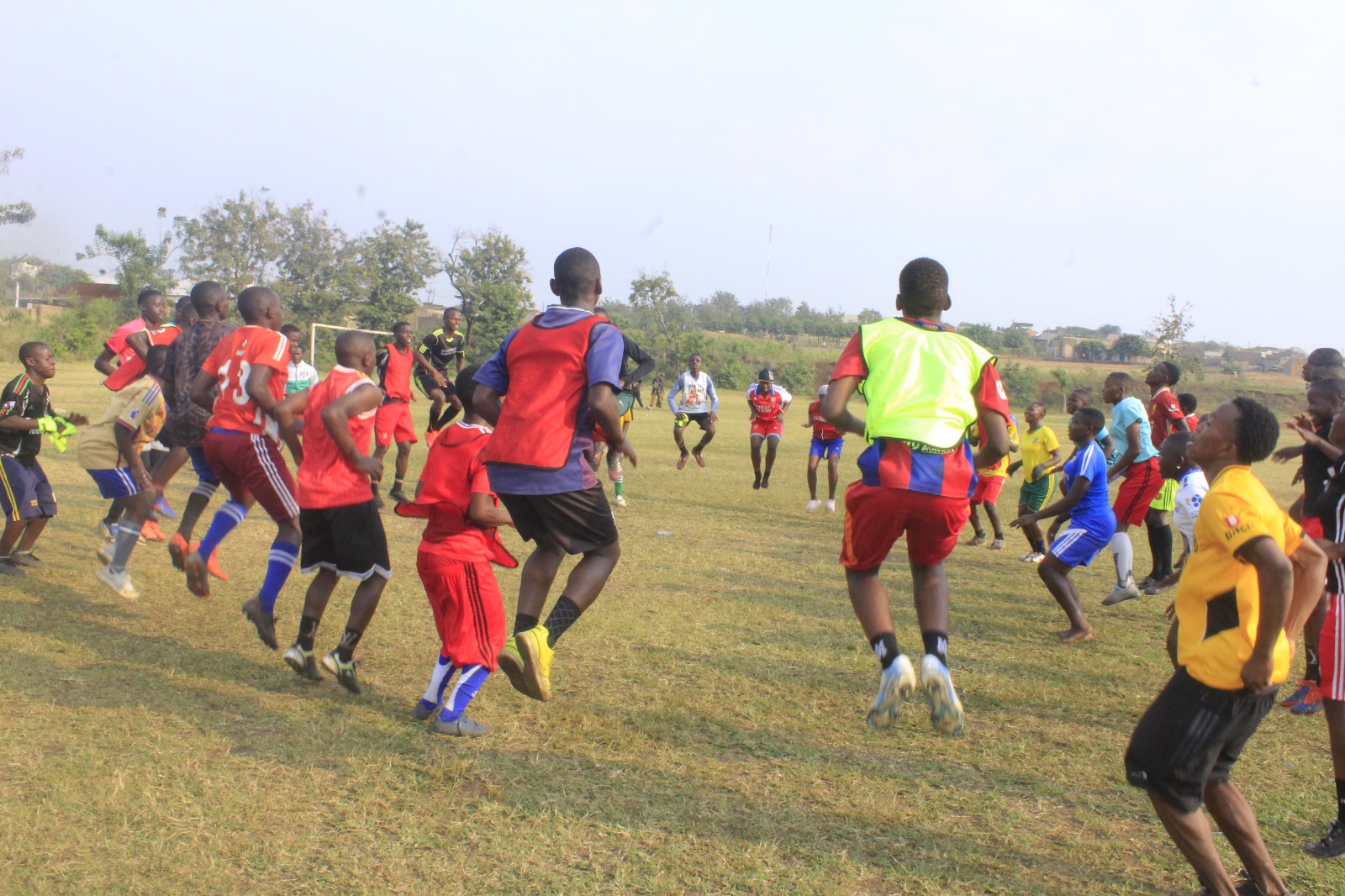
In response to growing social challenges in Kasese District, Western Uganda—such as rising youth involvement in drugs and alcohol, high rates of teenage pregnancy and early marriage, and increasing school dropouts—Mukwano Titus mobilized five fellow youths to take action. Together, they founded NeFCoRD (Network for Community Resource Development) as a community-driven solution to transform lives, especially those of young people. Motivated by a shared desire to create lasting change, the founders envisioned an organization that empowers youth through sports for development, education motivation, adolescent sexual and reproductive health and rights (SRHR) education, and other youth empowerment programs aligned with the Sustainable Development Goals (SDGs). NeFCoRD was officially registered in December 2017 with the Kasese District Local Government Community Based Services Department and the Kasese Municipal Council, Central Division. One of our flagship initiatives is the Kamaiba Soccer Academy, which operates across three branches and serves 320 children and youth (120 girls and 200 boys) aged 6 to 25 years. Through football, we mentor young people to develop their talents while fostering discipline, confidence, unity, and life skills to overcome both personal and community challenges. Despite their potential, only 25% of these young footballers can afford school fees and continue their education—highlighting the urgent need for integrated education support. With support from the Ruben Fernandes Association, NeFCoRD is implementing an innovative project titled “From Poultry to Possibility: Keeping Footballing Youth in School Through Sustainable Income Generation.” Through this initiative, NeFCoRD raises day-old chicks for three months and sells them for profit. In 2025, the income generated enabled NeFCoRD to pay school fees and provide scholastic materials for 21 children and youth enrolled in primary, secondary, and tertiary institutions. In addition, since its establishment, NeFCoRD has helped secure 50 sports bursaries across 10 schools in Uganda, allowing talented young athletes to access education through their sporting abilities. From sports fields to classrooms, NeFCoRD's journey demonstrates the powerful connection between education, health, and opportunity. Every initiative NeFCoRD implements brings forward a future where no young person is left behind—and where youth are empowered to thrive, lead, and shape their communities. Learn more →
Indirect Impact≈180people
Food Production Along The Banks Of The Nile
Overcoming hunger in Terekeka county
For years, armed conflict, ambushes, and widespread instability have deeply shaken the livelihoods of the South Sudanese people. Planting seasons were disrupted, livestock — especially ruminants — suffered severe losses, trade routes were cut off, and local markets collapsed. Inflation soared, particularly in Juba County, leaving thousands of families unable to plant, harvest, or fish. Fishermen lost access to their traditional and secure fishing grounds, while many pastoralists saw their livestock taken by force or destroyed by disease outbreaks. Most families now survive on one meal a day, often reserved for the children. In many households, an entire day can pass without a single meal. Around 70% of families attempted to cultivate food, but their crops failed due to climate change and natural or man-made disasters. At the same time, 65% of households suffer from inadequate food consumption, relying largely on supplies from the World Food Program.
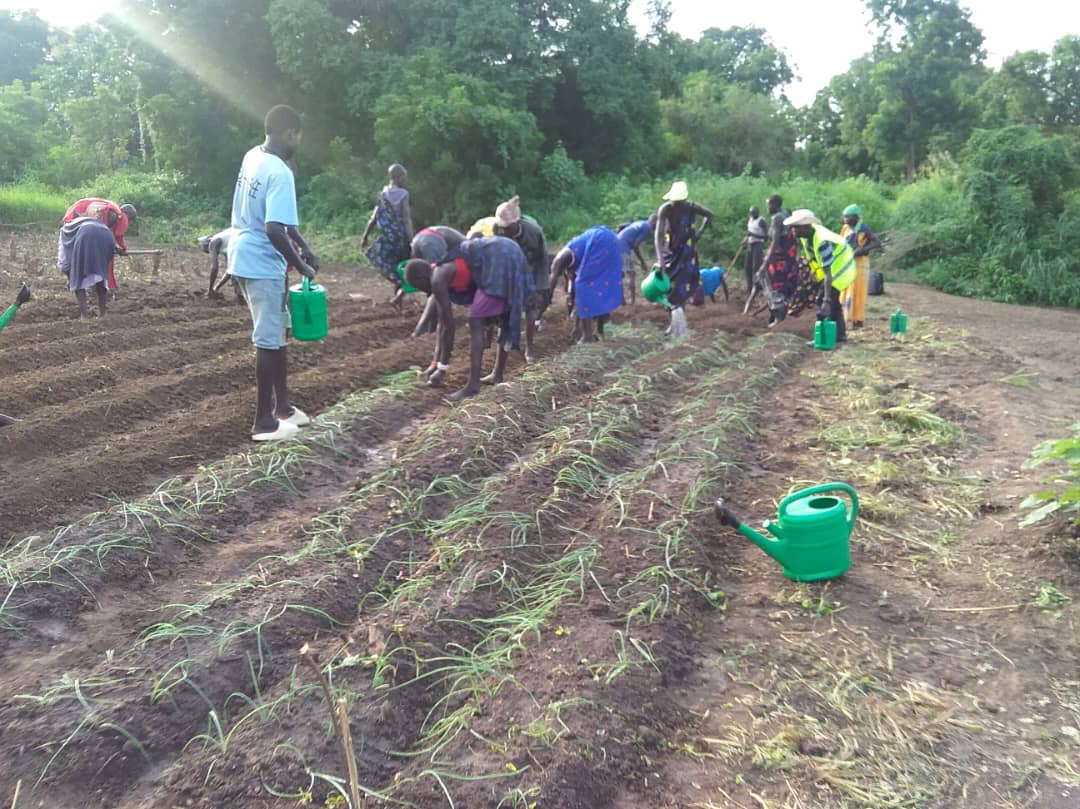
A project to restore dignity, production, and hope In the face of this reality, the project was designed to ensure beneficiaries have regular access to food by strengthening their agribusiness skills. Its activities follow life-saving sector priorities, ensuring essential agricultural inputs and restoring production capacity and food security. With funding from the Ruben Fernandes Association, Bosco and the Youth Hands for Development team implemented the Engaging Redundant Youth in Agribusiness Project (ERYAP) in Terekeka County. The objective is clear: empower young people in agribusiness and provide food for the Ubuntu Community school. Beneficiaries, previously accustomed only to traditional farming methods, received practical and innovative training in:
- demarcating and preparing seedbeds
- transplanting seedlings
- organic pest control methods
- good horticultural practices
- 45 local residents received training in horticultural production
- The farm now supplies vegetables to Ubuntu Community School
- Part of the harvest is already reaching Juba’s markets, strengthening the local economy
- A wooden fishing boat was purchased, boosting fishing as a source of income and food support for the school and the community
Indirect Impact≈270 people